
You’ve decided to improve your English—a great first step. But have you calculated the real cost of a traditional coaching center? Imagine this: after a long day at work, you travel for an hour through traffic to a class in a busy area like T. Nagar, Chennai. You spend one hour learning, and another hour traveling back. That’s three hours of your day for just one hour of practice. This hidden cost in time, money, and energy is the number one reason why most people give up before they even see progress.
Now, consider the alternative. Learning how to learn spoken English online at home in Tamil Nadu doesn’t just save you from traffic; it gives you two powerful advantages. First, you’re no longer limited to trainers available in your city. You gain access to a national pool of expert instructors, many of whom specialize in helping Tamil speakers overcome specific pronunciation and fluency challenges. Second, practicing from the comfort of home provides a psychologically safe space, removing the fear of judgment that often holds us back in a physical classroom.
When you compare them side-by-side, the benefits of online English fluency training in Chennai and other cities become crystal clear.
- Time & Travel: Offline classes can consume over 10 hours a week in travel, while online classes require zero travel time.
- Trainer Quality: You’re no longer limited to local options and can choose the best trainer for your specific needs from anywhere in India.
- Flexibility & Cost: Online classes fit your schedule, not the other way around. This efficiency is why spoken English course fees in Coimbatore and across the state are often more affordable online.
This massive shift is confirmed by industry reports, such as those from KPMG, which show that learners are choosing online education because it delivers better, more convenient results without the traditional drawbacks.
How to Conquer the Fear of Speaking: Your Secret Weapon
Do you ever know the perfect answer in a meeting, but the words get stuck? This hesitation is the biggest hurdle for most people who want to improve their English speaking confidence for job interviews. The problem isn’t your knowledge; it’s the fear of being judged for making a mistake. You know the English, but the confidence isn’t there yet.
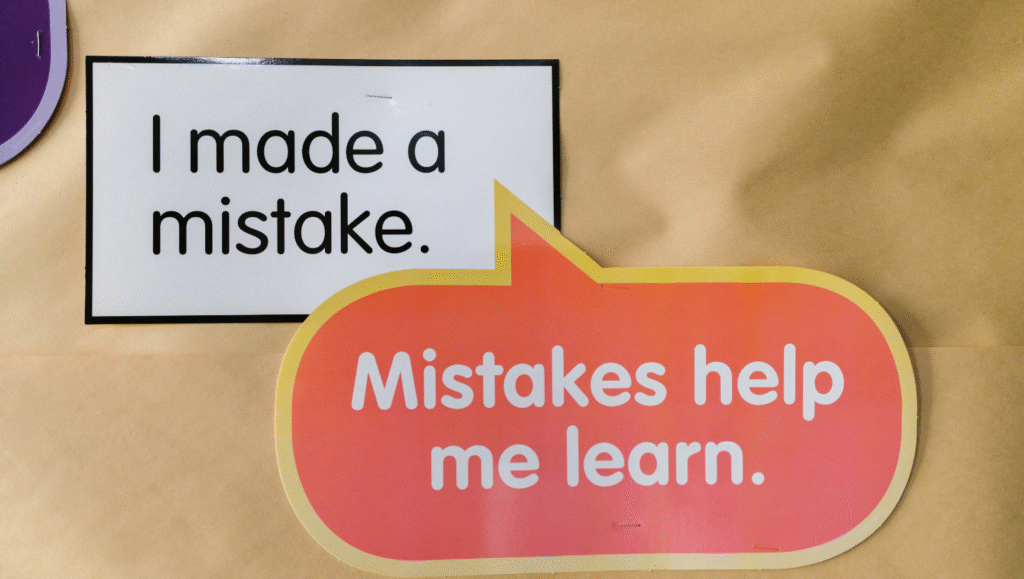
This is where the right online class becomes your secret weapon. It creates a “safe zone” for speaking—a place where mistakes are not just expected, but are seen as a normal part of learning. Unlike speaking in front of your boss or a client, these classes offer a low-stakes environment. The main goal is simply to try, speak, and learn without pressure.
Think of it like learning to ride a bicycle. You wouldn’t practice on a busy main road; you’d find an empty park. An English conversation practice group online is that park. You are surrounded by other learners who share the same goals and fears. When you see others trying and making small errors, it gives you the courage to do the same, knowing no one is there to criticize you.
Slowly, this consistent practice builds a new habit. Each session where you speak freely, even with mistakes, rewires your brain to be less afraid. This is the most effective way to overcome hesitation while speaking English. The fear fades, and genuine confidence takes its place, preparing you for any real-world conversation. But is it better to practice in a group or with a personal tutor?
Group Class vs. 1-on-1 Tutor: Which One is Right for You?
Now that you know a “safe zone” is key, the next question is what kind of space is best for you. Should you join an english conversation practice group online or hire a personal tutor? The right answer depends entirely on your personality, your budget, and what you want to achieve. Both paths lead to fluency, but they take you on different journeys.
For many learners, group classes are the perfect start. The biggest benefit is practicing with a variety of people, which prepares you for real-world conversations where you have to understand different speaking styles. You also learn from the questions and corrections of your classmates—something you might not have thought to ask yourself. When looking at spoken english course fees in coimbatore or anywhere else, you’ll find group classes are almost always more affordable.
On the other hand, some situations call for focused, personal attention. If you are very shy or need to prepare for a specific, urgent event like a job interview next week, a one-to-one online english tutor for beginners can be a game-changer. The entire session is built around your unique mistakes and goals, allowing you to make rapid progress on the exact skills you need.
To make the choice easier, here is a simple guide.
Choose Your Path:
Group Classes are great if…
✓ You want to practice speaking with many people
✓ You are on a tight budget
✓ You learn by listening to others and group discussions
1-on-1 Tutoring is best if…
✓ You are very shy and need personal attention
✓ You have a specific, urgent goal (for example, a job interview)
✓ You need quick correction for pronunciation or grammar issues
Once you’ve decided on the format that feels right, the next step is to ensure the class is high quality. But how can you tell a good course from a bad one before you pay?
A 5-Point Checklist for Choosing the Best Online Spoken English Course
Finding the right course online can feel confusing. Many websites look professional and promise fast results, but they don’t all deliver the same value. The most important thing to understand is the difference between a grammar class and a speaking class. You likely learned grammar in school; what you need now is a safe space to practice speaking. This is the key to figuring out how to choose the right english speaking program for you.
Before you commit your time and money, use this simple checklist. The answers will reveal the true quality of any course. Ask the provider these five questions directly:
- How many students are in one live class? Look for small batches (ideally under 20 students). This ensures you get enough personal attention and time to speak.
- Is the focus on grammar rules or speaking activities? A good course will prioritize activities like role-plays, debates, and group discussions over just filling in grammar worksheets.
- What kind of feedback will I receive? You need more than just a score. Will the trainer gently correct your specific mistakes and explain how to improve?
- Can I attend a free demo class? It’s your chance to experience the teacher’s style and see if you feel comfortable before you pay.
- Do the trainers understand the challenges of Tamil speakers? The best spoken english course online for tamilians will have trainers who are familiar with common pronunciation and sentence structure habits, helping you improve faster.
The answers you get are more important than any fancy advertisement. A big warning sign is any program that avoids a demo class or only offers pre-recorded videos with no live interaction. While a spoken english certificate course online is a good goal, the real certificate is the confidence you gain. This structured, feedback-driven approach is what separates quality paid courses from other options. But what about all the free apps available on your phone? Are they worth your time?
Free Apps vs. Paid Courses: Where Should You Spend Your Time and Money?
Your phone is likely filled with apps promising to teach you English, and many are quite useful. They are excellent for building your vocabulary, a few words at a time, and for listening practice. If you are wondering which app is best for learning spoken english, think of them as powerful, pocket-sized dictionaries and audiobooks. They help you absorb the language passively, which is a great first step when trying to figure out how to learn spoken english at home in tamil.
However, knowing many words is different from being able to use them in a conversation. Learning English from an app is like watching cricket matches on TV; you can learn all the rules and admire the techniques, but it won’t prepare you to face a real bowler. Apps can’t give you live, personal feedback on your pronunciation or correct you when you make a mistake in a sentence. Most importantly, they can’t replicate the nervousness and excitement of a real conversation.
This is where the debate of free vs paid online english speaking courses becomes clear. A paid course is an investment in active practice. It’s a dedicated time where you must speak, interact with a trainer, and practice with other learners. The main goal isn’t just to learn more English words, but to build the confidence and muscle memory to use the English you already know. A good trainer acts like a coach, gently correcting your mistakes and pushing you to improve—something an app’s algorithm cannot do.
Ultimately, the choice depends on your goal. For building a word bank in your free time, apps are fantastic. But to gain real confidence for job interviews, client meetings, and daily conversations, a structured course provides the focused practice and expert feedback you need to bridge the gap between knowing English and speaking it. So, what really happens inside a good online English class to create that change?
What Really Happens Inside a Good Online English Class?
Stepping into a quality online English class feels less like a school lecture and more like an interactive workshop. The focus is entirely on you speaking. While every course is slightly different, many successful ones follow a clear, confidence-building structure in each 60-minute session. This predictable format helps you know exactly what to expect, reducing anxiety and maximizing your learning.
A typical class might look like this:
- Warm-up (5-10 mins): The trainer starts with a simple, casual chat about your day to get you comfortable.
- Topic Introduction (10-15 mins): You learn a new concept, like how to politely interrupt or a few phrases for a specific situation. This is effective english speaking practice, with tamil meaning sometimes used to clarify a tricky point quickly.
- Speaking Activity (25-30 mins): This is the main event. You might join an english conversation practice group online for a discussion or, more powerfully, do a role-play. For example, you’ll practice a job interview or handle a customer complaint with the trainer or another student. It’s like a rehearsal for real life, but in a safe space where mistakes are okay.
- Feedback & Wrap-up (10 mins): The trainer provides personal, gentle corrections on your pronunciation, grammar, and word choice, helping you improve for next time.
This structured practice is what makes a course a powerful form of online english fluency training, whether you’re in Chennai or a smaller town. The feedback you receive is crucial, as trainers notice common patterns that apps can’t catch. For instance, they understand that many of us have a very natural habit of thinking in our mother tongue first.

“Thinking in Tamil is Normal”: How Good Courses Handle Mother Tongue Influence
That habit of thinking in Tamil and translating to English in your head? It’s one of the most common experiences for learners across the state, and it is completely normal. It’s not a mistake or a bad habit; it’s simply the natural starting point for our brains. This process is called Mother Tongue Influence (MTI), and understanding it is the first step to speaking more smoothly. You are not alone in this, and it’s a hurdle you can definitely cross.
This mental translation is often what causes us to pause and hesitate. For example, in Tamil, we might structure a question differently, leading us to say something like, “Why you are late?” instead of “Why are you late?” Similarly, certain sounds that are not common in Tamil, like the ‘z’ in “zoo” or the ‘f’ in “fan”, can be tricky. This internal work to overcome hesitation while speaking english is tiring and can drain your confidence in the middle of a conversation.
The best spoken english course online for tamilians recognizes this challenge and addresses it with care. Instead of just correcting you, a good trainer provides specific drills to help your brain build a direct path to English. Through targeted activities and role-plays, they train you to think in simple English sentences first, gradually breaking the habit of word-for-word translation. This kind of english speaking practice with tamil meaning used only for clarification—not as a crutch—is what helps build true fluency. This foundation, built inside the classroom, is what makes your personal practice so much more effective.
Beyond the Class: 3 Daily Habits to Become Fluent Faster
Your progress in class sets the stage, but the real magic happens with daily practice. The biggest challenge is often finding the time. The good news is you don’t need hours—just 10-15 minutes a day. Learning how to learn spoken english at home in tamil is about turning small, consistent actions into powerful habits. This is how you take control of your journey and build momentum outside of your scheduled classes.
Integrating English into your daily routine is easier than you think. Start with these three simple habits that you can do alone, even during your commute or before bed:
- The ‘Self-Talk’ Commute: While traveling, describe what you see around you in simple English. “A blue bus is turning left. Many people are waiting.” This builds the habit of thinking directly in English.
- The ‘Shadowing’ Technique: Watch a 2-minute English news clip or a short movie scene. Try to repeat what the speaker says, right after they say it, copying their rhythm and tone. This trains your mouth muscles and improves your pronunciation.
- The ‘End-of-Day’ Summary: Before sleeping, spend 5 minutes speaking into your phone’s voice recorder, describing your day. Don’t worry about mistakes; the goal is just to speak.
These small habits might seem simple, but they are incredibly effective. They force you to use daily use english sentences that are relevant to your life, which is the fastest way to improve english speaking confidence. By making this a consistent practice, you are actively rewiring your brain to treat English not as a subject to be studied, but as a tool to be used every single day.
Your First Step Towards Speaking Confidently
The path to fluent English isn’t about memorizing more grammar rules—it’s about building the confidence to use the words you already know. The journey from hesitation to confidence starts with finding a safe space to practice, where mistakes are part of the process, not something to fear.
You now have the tools to find that space. Your first step isn’t a long-term commitment; it’s a simple experiment.
This week, take this one action: Use the 5-point checklist from this guide to find an online course that offers a free demo class. Your only goal is to attend one session. Experience the trainer’s style, see how other students interact, and ask yourself: “Did I feel comfortable trying to speak here?”
One month from now, you could be the person who speaks up in a meeting or confidently handles a client call. That future doesn’t begin with perfection. It begins with the small, decisive step you take this week to find your “safe zone” for practice. The confidence you’re looking for is waiting in that first conversation.