
Present Simple Tense: Talk About Daily Routines
Want to sound more fluent and confident in English? It all starts with mastering the Present Simple tense! In this beginner-friendly guide, you’ll learn how to talk about daily routines, facts, and habits using the Present Simple. We’ll break down everything you need to know—from using “be” verbs and spelling rules to forming questions and giving short answers. With clear examples, practical tips, and fun explanations, you’ll feel ready to use Present Simple like a pro in no time!
Verbs and Tenses: An Overview
Want to speak and write English more confidently? This beginner-friendly guide to mastering verbs and tenses explains everything you need—regular and irregular verb forms, simple tense rules, and practical examples to boost your grammar skills quickly.
Sentence Structures: How to Build Clear Sentences
Understanding sentence structure is one of the most important steps in improving your writing. Why? Because how you organize words and ideas directly affects how clearly and effectively you communicate. In this guide, we’ll break down key sentence structures—starting with the most common one: SVO (Subject-Verb-Object). You’ll also learn about independent and dependent clauses, plus how to use prepositional phrases to enrich your writing.
Prepositions: Master Time, Place & Direction
Struggling to figure out the difference between in, on, and at? You’re not alone! Prepositions may seem tiny, but they play a big role in how we understand time, place, and direction in English. This blog breaks it all down in a simple, fun, and beginner-friendly way — so you’ll never mix up your at the bus stop and on the bus again!
Quantifiers: Much, Many, A Lot – Learn When to Use Them
Understanding quantifiers with the verb “be” is essential for sounding natural in English, as they have specific rules based on whether nouns are countable or uncountable. Correct usage, such as “There are many people at the event,” enhances fluency and confidence in the language.
Adverbs: Modify Actions, Add Clarity
Adverbs make your English sound more natural and expressive! This easy-to-follow guide helps English learners understand what adverbs are, how to use them correctly, and why they matter in everyday conversations.
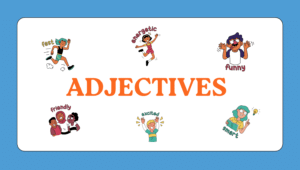
Adjectives: Describing Words That Add Meaning
Ever wondered what makes your sentences more vivid, emotional, or memorable? The secret often lies in adjectives! These powerful little words add color, detail, and personality to your language. In this complete guide, you’ll learn everything you need to know about adjectives—how to use them naturally, the different types with examples, and tips to avoid common mistakes. Whether you’re looking to compare things or express emotions clearly, mastering adjectives will take your English to the next level.
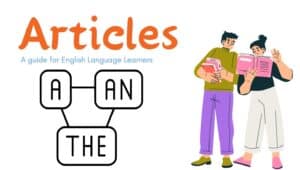
Articles: A, An, The – How to Use Them Correctly
Confused between a, an, and the? You’re not alone! These small but mighty words can completely change the meaning of your sentence. In this blog, we break down articles with simple rules, fun examples, and real-life tips to help you sound clear and confident. Let’s master the art of using articles the easy way!
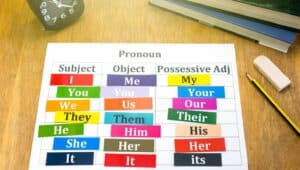
Pronouns: Get It Right.
Imagine trying to tell a story without using ‘he,’ ‘she,’ or ‘they.’ It would be a repetitive nightmare! Pronouns save us from linguistic monotony, but they also do so much more. They clarify relationships, streamline sentences, and help us avoid awkward phrasing. But how well do you really know them?

Know How to Write Effective Email Subject Lines Without Depending on AI
Imagine consistently crafting subject lines that pique curiosity and compel recipients to open your emails immediately. It’s not magic, it’s a skill you can learn. We’ll dive into the psychology behind effective subject lines, exploring how to use urgency, personalization, and clarity to your advantage. Learn how to identify and leverage keywords that resonate with your audience, ensuring your emails stand out in a crowded inbox. We’ll also show you how to avoid common pitfalls that lead to low open rates, such as overly generic or misleading subject lines. Ready to take control of your email communication and craft subject lines that drive real results? Let’s explore the strategies that will transform your approach to email writing, without relying on AI.
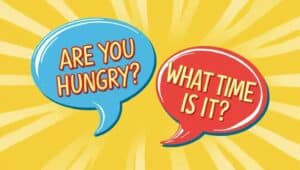
Know How To Use Am, Is, Are in Everyday English: Questions & Descriptions
Asking ‘Are you hungry?’ or ‘What time is it?’ seems simple, right? But how do we get there? This post demystifies the verb ‘be’ in the present simple, showing you how to form questions and descriptions with ease. Perfect for beginners looking to build a strong English foundation.
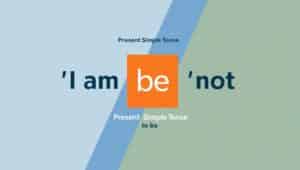
Be: Present Simple I am; I’m not
Mastering the Present Simple form of the verb be—”I am” and “I am not”—is essential for clear and confident English communication. Whether you’re introducing yourself, describing feelings, or stating facts, this fundamental structure helps express who you are and what you experience in everyday life.

How Can I Improve My English Communication Skills Online
Looking to improve your English communication skills online? From AI-powered tools and podcasts to self-paced video lessons, there are plenty of fun and effective ways to practice. At Aksent, they offer interactive courses with speech recording, role plays, and engaging activities to help you build confidence and fluency. Start learning in a way that feels natural and enjoyable

Master Virtual Calls and Interviews with These 10 Confidence-Boosting Tips
Want to sound confident in your next virtual interview or meeting? Check out these 10 practical tips to help you speak clearly and with poise,
10 Must Know Phrasal Verbs to Make You Fluent in English
Hey there! Do I really need to use “Phrasal Verbs” while communicating? What difference does a phrasal verb make to my sentence? These are two obvious questions that may arise in your mind when you think of “Phrasal Verbs”. Let’s explore the answers and the importance of using phrasal verbs. To start with, we ought

How to Express Better in English?
Do you have a challenge expressing yourself better in English? Here are some wonderful tips to improve.

Can I speak slowly? Three simple techniques to improve English
Hi folks, don’t worry about speaking slowly anymore. Here are the three simple strategies that can quickly increase your English fluency.

How to improve your English at Workplace?
Struggling to speak English at work? Here are the must-read 11 simple steps you can follow to improve your workplace communication.