
Riya Rajalakshmi

Riya Rajalakshmi is a content writer,and digital marketer with a deep passion for the English language. With a talent for crafting compelling content and a keen understanding of digital marketing strategies, Riya helps individuals and businesses enhance their online presence and communication.

Beyond writing and marketing, Riya has a strong passion for music and dance, often exploring creative ways to integrate these interests into training and self-expression. As an enthusiastic mentor, she enjoys guiding students in developing their communication skills, empowering them to express themselves with confidence.

A passionate traveler and explorer, Riya finds inspiration in new cultures, experiences, and perspectives. This curiosity fuels her creativity, enriching both personal and professional endeavors. Whether it’s through writing, training, or digital strategy, Riya is always eager to learn, share, and inspire.

Illustration explaining different types of prepositions with examples – time, place, direction, manner, and more

Prepositions: Master Time, Place & Direction

Struggling to figure out the difference between in, on, and at? You’re not alone! Prepositions may seem tiny, but they play a big role in how we understand time, place, and direction in English. This blog breaks it all down in a simple, fun, and beginner-friendly way — so you’ll never mix up your at the bus stop and on the bus again!

Prepositions: Master Time, Place & Direction Read More »

English Grammar Lesson, Learn English Online
A colorful infographic explaining quantifiers in English with examples like "some apples," "many students," and "a few books."

Quantifiers: Much, Many, A Lot – Learn When to Use Them

Understanding quantifiers with the verb “be” is essential for sounding natural in English, as they have specific rules based on whether nouns are countable or uncountable. Correct usage, such as “There are many people at the event,” enhances fluency and confidence in the language.

Quantifiers: Much, Many, A Lot – Learn When to Use Them Read More »

English Grammar Lesson, Learn English Online
Chart showing types of adverbs with examples for manner, time, place, frequency, and degree

Adverbs: Modify Actions, Add Clarity

Adverbs make your English sound more natural and expressive! This easy-to-follow guide helps English learners understand what adverbs are, how to use them correctly, and why they matter in everyday conversations.

Adverbs: Modify Actions, Add Clarity Read More »

English Grammar Lesson, Learn English Online
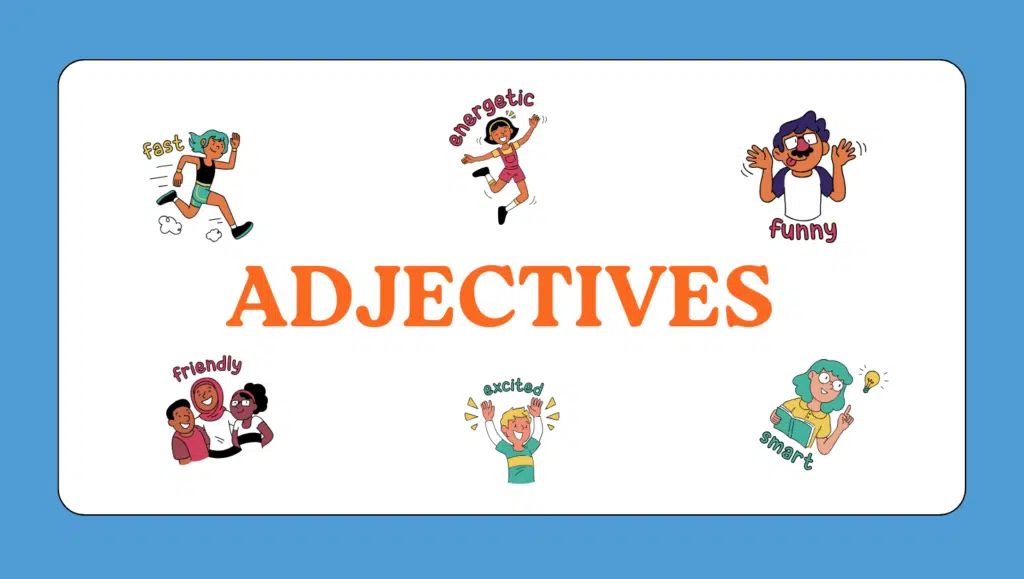
explaining types of adjectives with examples – descriptive, quantitative, demonstrative, possessive, interrogative, and more

Adjectives: Describing Words That Add Meaning

Ever wondered what makes your sentences more vivid, emotional, or memorable? The secret often lies in adjectives! These powerful little words add color, detail, and personality to your language. In this complete guide, you’ll learn everything you need to know about adjectives—how to use them naturally, the different types with examples, and tips to avoid common mistakes. Whether you’re looking to compare things or express emotions clearly, mastering adjectives will take your English to the next level.

Adjectives: Describing Words That Add Meaning Read More »

English Grammar Lesson, Learn English Online
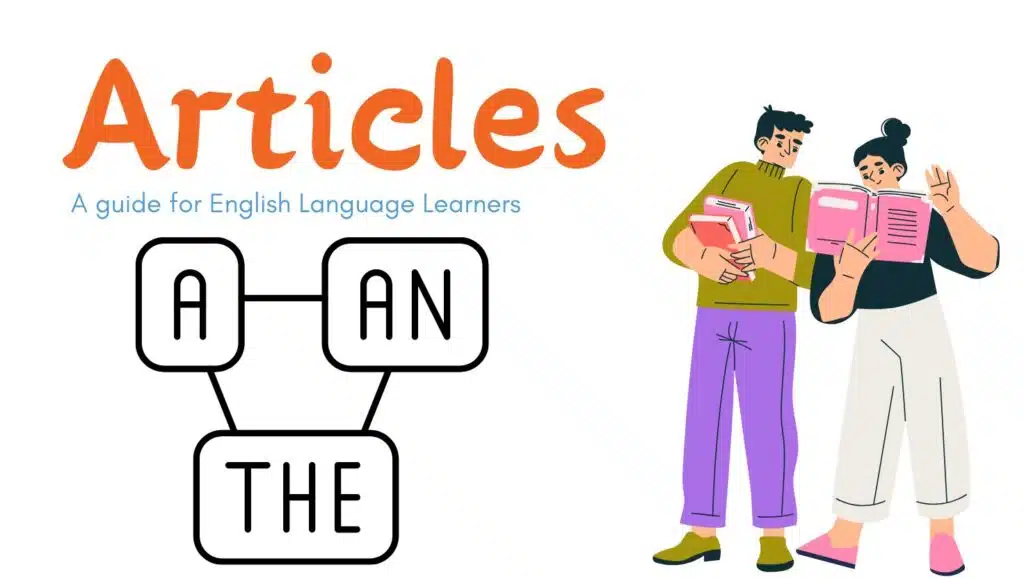
An educational image displaying the English articles: 'a', 'an', and 'the' with examples.

Articles: A, An, The – How to Use Them Correctly

Confused between a, an, and the? You’re not alone! These small but mighty words can completely change the meaning of your sentence. In this blog, we break down articles with simple rules, fun examples, and real-life tips to help you sound clear and confident. Let’s master the art of using articles the easy way!

Articles: A, An, The – How to Use Them Correctly Read More »

English Grammar Lesson, Learn English Online
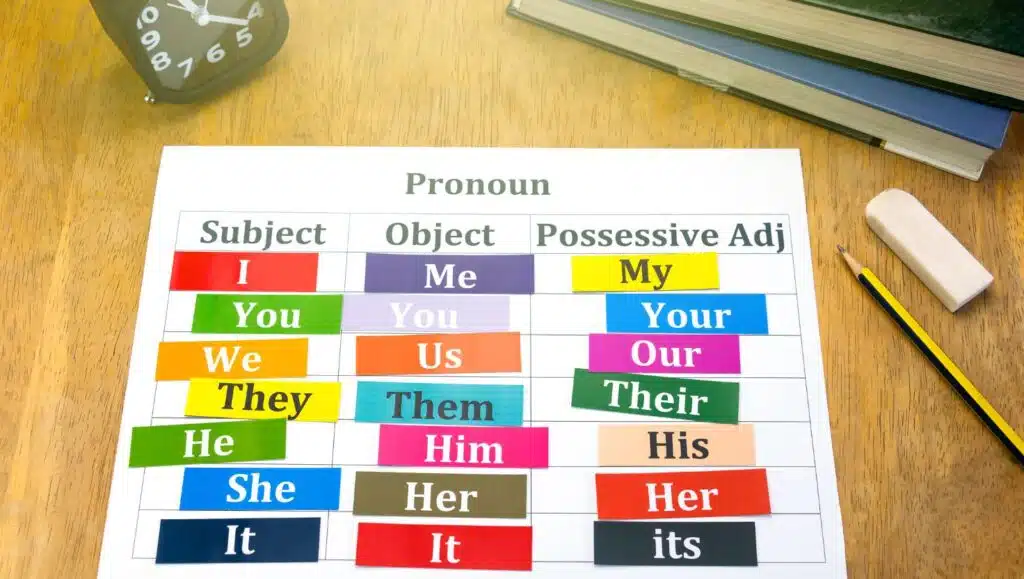
Pronoun

Pronouns: Get It Right.

Imagine trying to tell a story without using ‘he,’ ‘she,’ or ‘they.’ It would be a repetitive nightmare! Pronouns save us from linguistic monotony, but they also do so much more. They clarify relationships, streamline sentences, and help us avoid awkward phrasing. But how well do you really know them?

Pronouns: Get It Right. Read More »

English Grammar Lesson, Learn English Online
A person writing notes in a notebook with a pen, while a smartphone and a laptop are placed on a wooden desk, symbolizing email writing or professional communication.

Know How to Write Effective Email Subject Lines Without Depending on AI

Imagine consistently crafting subject lines that pique curiosity and compel recipients to open your emails immediately. It’s not magic, it’s a skill you can learn. We’ll dive into the psychology behind effective subject lines, exploring how to use urgency, personalization, and clarity to your advantage. Learn how to identify and leverage keywords that resonate with your audience, ensuring your emails stand out in a crowded inbox. We’ll also show you how to avoid common pitfalls that lead to low open rates, such as overly generic or misleading subject lines. Ready to take control of your email communication and craft subject lines that drive real results? Let’s explore the strategies that will transform your approach to email writing, without relying on AI.

Know How to Write Effective Email Subject Lines Without Depending on AI Read More »

Business English
Grammar lesson on the present simple tense of 'be' with example questions.

Know How To Use Am, Is, Are in Everyday English: Questions & Descriptions

Asking ‘Are you hungry?’ or ‘What time is it?’ seems simple, right? But how do we get there? This post demystifies the verb ‘be’ in the present simple, showing you how to form questions and descriptions with ease. Perfect for beginners looking to build a strong English foundation.

Know How To Use Am, Is, Are in Everyday English: Questions & Descriptions Read More »

English Grammar Lesson, Learn English Online
Present Simple 'be' - online english lesson - Aksent

Be: Present Simple I am; I’m not

Mastering the Present Simple form of the verb be—”I am” and “I am not”—is essential for clear and confident English communication. Whether you’re introducing yourself, describing feelings, or stating facts, this fundamental structure helps express who you are and what you experience in everyday life.

Be: Present Simple I am; I’m not Read More »

English Grammar Lesson, Learn English Online

Person using online resources to improve English communication skills, including courses and apps.

How Can I Improve My English Communication Skills Online

Looking to improve your English communication skills online? From AI-powered tools and podcasts to self-paced video lessons, there are plenty of fun and effective ways to practice. At Aksent, they offer interactive courses with speech recording, role plays, and engaging activities to help you build confidence and fluency. Start learning in a way that feels natural and enjoyable

How Can I Improve My English Communication Skills Online Read More »

Communication Tips