Resources

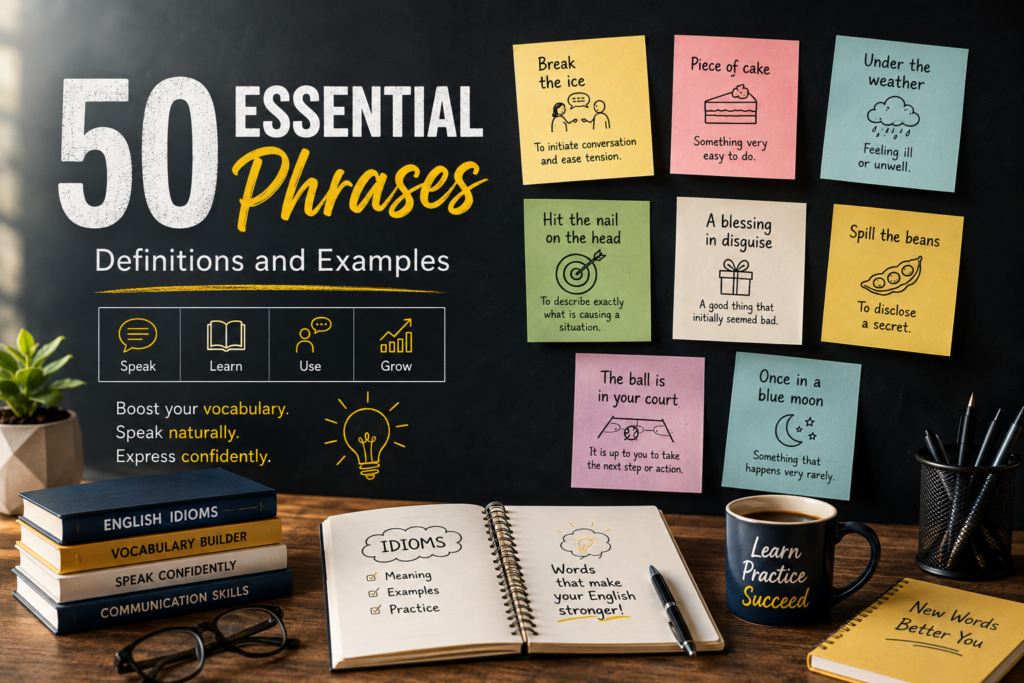
Students learning English idiomatic expressions through conversation and phrase cards.

50 Essential Idioms With Meanings and Sentences

Understanding idiomatic expressions is key to mastering any language. These phrases often have meanings that aren’t obvious from the individual words. They add color and depth to conversations, making them more engaging. Knowing these expressions can help you sound more like a native speaker. In this article, we explore 50 essential phrases with their meanings

50 Essential Idioms With Meanings and Sentences Read More »

Vocabulary

English idioms for daily use with meanings and examples to help learners speak naturally and improve everyday English communication.

20 Must-Know English Idioms for Daily Use (Meanings + Examples)

Have you ever listened to native speakers and wondered why they just said it was “raining cats and dogs”? Welcome to the colorful world of English idioms. When understanding figurative language for ESL students, the sheer volume of expressions can feel like cracking a secret code. You might ask: why do we use idioms instead

20 Must-Know English Idioms for Daily Use (Meanings + Examples) Read More »

Informational

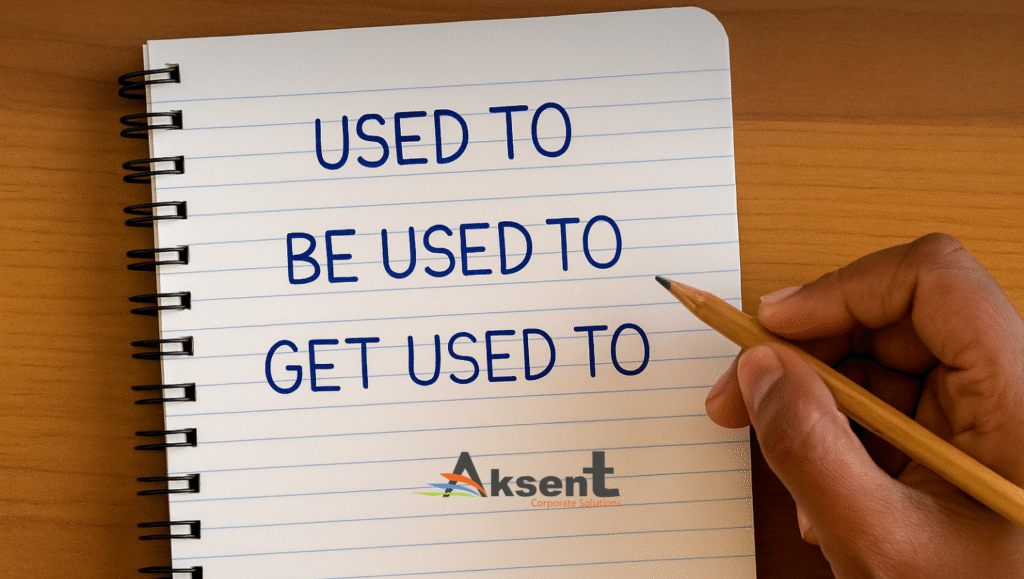
Used To vs Be Used To vs Get Used To – Explained Simply

Still unsure when to use used to, be used to, or get used to? This simple grammar guide from Aksent Chennai explains the differences with examples, clear rules, and real-life usage to help you speak English naturally and confidently.

Used To vs Be Used To vs Get Used To – Explained Simply Read More »

English Grammar Lesson
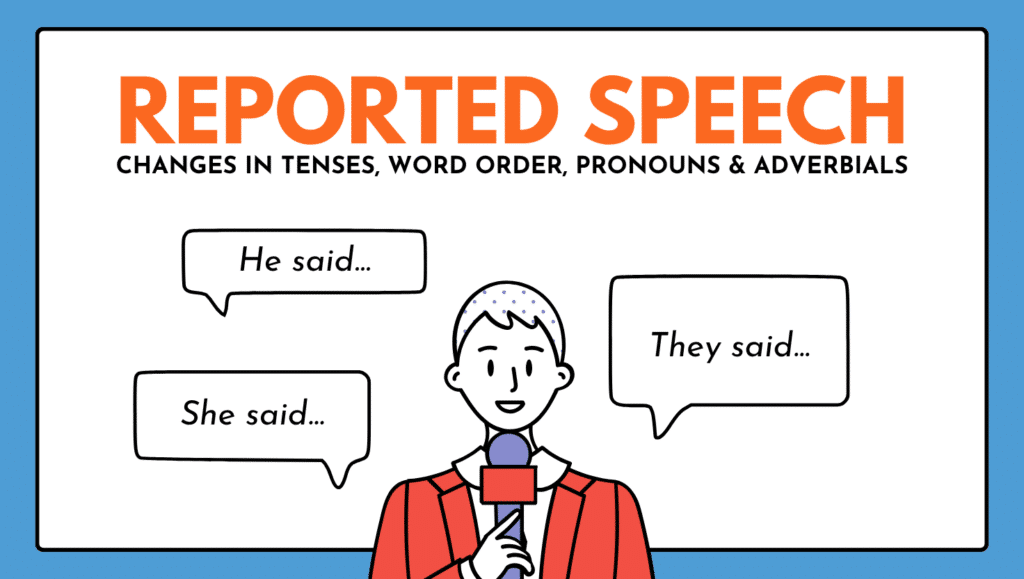
Illustration of a reporter with speech bubbles showing "He said...", "She said...", and "They said..." — introducing reported speech grammar rules.

Reported Speech: How to Report What Others Said

Mastering reported speech, or indirect speech, is essential for effectively conveying what someone else has said without quoting them directly. This blog covers everything you need to know about reported speech, including how to report statements, questions, and requests. We’ll dive into the rules for tense changes, pronouns, and time expressions, making it easy to convert direct speech into reported speech. You’ll also learn how to report yes/no and wh-questions, as well as how to use verbs like ‘told’ and ‘asked’ to report commands and requests. By understanding and practicing these rules, you’ll be able to communicate more clearly and confidently in both spoken and written English.

Reported Speech: How to Report What Others Said Read More »

English Grammar Lesson, Learn English Online
Visual chart explaining zero, first, second, and third conditionals in English grammar.

Conditionals: If-Sentences Made Easy

Understanding Conditional Sentences in English Grammar Conditional sentences are an essential part of English grammar. They describe situations and their possible results. You can use them to talk about real facts, future possibilities, imaginary situations, or events that never happened. In this blog, we’ll break down the four main types of conditional sentences in a

Conditionals: If-Sentences Made Easy Read More »

English Grammar Lesson, Learn English Online
Banner showcasing passive voice examples and structure with subject pronouns for a clear understanding of passive voice in English grammar.

Passive Voice: Focus on the Action, Not the Doer

Ever wondered why we say “The cake was eaten” instead of “He ate the cake”? This simple and fun guide to passive voice in English breaks it all down for you — with clear rules, relatable examples, and easy tips to help you master it across all tenses. Whether you’re brushing up or just starting out, this is your go-to grammar helper!

Passive Voice: Focus on the Action, Not the Doer Read More »

English Grammar Lesson, Learn English Online
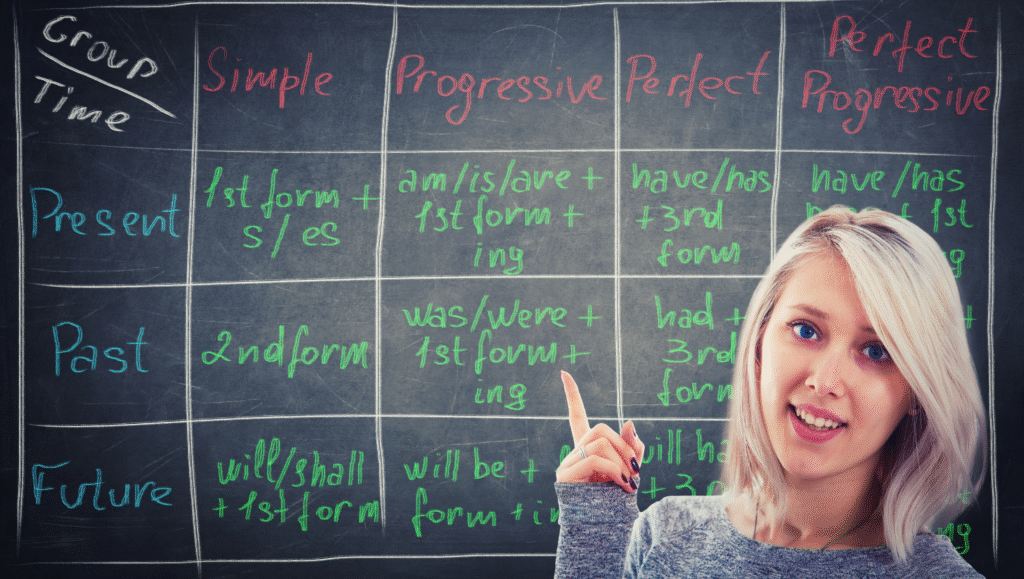
A colorful infographic summarizing all English tenses with examples and timelines

All English Tenses with Examples: The Ultimate Guide

In this blog, we’re going to walk through all 12 tenses in English—step by step, in a way that actually makes sense. No complicated grammar jargon, just simple explanations, clear examples, and real-life situations you can relate to. You’ll learn how each tense works, when to use it, and how it can help you speak and write more confidently. Whether you’re talking about your daily routine, sharing what happened last weekend, or making plans for the future, this guide will help you express yourself more clearly. By the end, you won’t just memorize tenses—you’ll understand how to use them in real conversations.

All English Tenses with Examples: The Ultimate Guide Read More »

English Grammar Lesson, Learn English Online
Blog cover image showing modal verbs like can, must, should, would with creative icons and grammar theme

Modal Verbs

Modal verbs like can, should, and must may seem small, but they pack a powerful punch in English! These little helpers change the meaning of your sentences and let you express possibility, permission, or obligation with ease. In this fun and simple guide, you’ll learn how to use modal verbs correctly, understand when to choose the right one, and boost your English fluency without getting lost in grammar rules. Let’s make modals your superpower!

Modal Verbs Read More »

English Grammar Lesson, Learn English Online
Thumbnail image showing the difference between Future Perfect Simple and Continuous tenses with visuals and timeline examples.

Future Perfect Simple and Continuous: Predicting Completed Future Actions

Gain a clear understanding of the Future Perfect Simple and Continuous tenses with this comprehensive and easy-to-follow guide. Learn how to express completed actions and ongoing activities in the future with accuracy and confidence. Featuring structured rules, practical examples, and useful tips, this article is ideal for learners aiming to enhance their grammar and communicate with greater precision.

Future Perfect Simple and Continuous: Predicting Completed Future Actions Read More »

English Grammar Lesson, Learn English Online
Future Forms in English - Thumbnail showcasing different future tenses: Be Going To, Will, Shall, and Future Continuous.

Future Forms: Will, Going to, and Beyond

Mastering Future Tenses in English: Be Going To, Will, Shall & Future Continuous

Understanding how to express future plans, predictions, and intentions is crucial for fluent English communication. In this blog, we explore key future forms such as “be going to,” “will,” “shall,” and the future continuous tense. These tenses help us talk about what is going to happen, make predictions, or discuss planned actions.

Future Forms: Will, Going to, and Beyond Read More »

English Grammar Lesson, Learn English Online